



15,893
Deliverd orders


For students pursuing undergraduate or postgraduate degrees, writing a dissertation proposal is one of the most crucial academic assignments. A well-structured proposal is the basis for a successful dissertation project at UK universities such as the University of Leeds. Before beginning the dissertation, students must clearly state their research topic, describe the methods they will use, and explain why their study is important.
A dissertation proposal is not just the first draft of a research project; it is the plan for the entire study. Many students struggle to understand what is the purpose of a research proposal and how to communicate their research ideas clearly. This guide explains how to write a dissertation proposal with a practical structure, academic tone and step-by-step planning.
What is the purpose of a research proposal? Before you start writing, you need to know its academic role. A dissertation proposal lets students present their research strategy to their supervisors and show that the project is relevant, feasible and worth investigating.
Knowing how to prepare a dissertation proposal also helps students develop a focused research plan rather than starting their dissertation without a clear direction. Most academic guidelines expect students to identify a research gap before they write A Research Proposal. A gap shows what is missing in existing research and explains why your study matters.
Students who know how to write a dissertation proposal can present their ideas more clearly to supervisors and academic panels. A strong proposal can also make the later dissertation-writing stage easier because the topic, aims, methods and structure are already planned.
Students who struggle with structure, formatting or proposal clarity may use Dissertation Proposal Help or research paper writing services for academic guidance.

The dissertation proposal outlines the research topic, provides a literature review, and describes how data will be collected and analysed. To learn how to write a dissertation proposal, students need research skills, careful planning and a clear understanding of university expectations. A strong proposal usually includes:
Research title
Background and context
Research problem
Aims and objectives
Research question
Literature review
Methodology
Ethical considerations
Timeline
Expected contribution
Reference list
This structure helps supervisors assess whether the proposed research is clear, realistic and academically valuable.
Choosing the right research subject is one of the most important parts of learning how to write a dissertation proposal. The subject should align with the student's academic program, research interests, and available resources. At the University of Leeds, students are encouraged to choose topics that contribute to existing academic discussions. Students who wish to learn how to write a dissertation proposal should begin by reviewing current research in their field.
Reading academic publications, reviewing old dissertations, and identifying research gaps can help you generate good ideas. This stage also clarifies what is the purpose of a research proposal: to show that the proposed study is important, original and possible to complete.
A broad topic may be difficult to manage, while a very narrow topic may make it hard to find enough scholarly material. The best topic is specific, researchable and linked to a clear academic problem.
When students need to write A Research Proposal that meets university criteria, the introduction becomes one of the most important sections. This part presents the research issue, provides background information and outlines the core research question. A good introduction should:
Introduce the topic clearly
Explain the research background
Identify the problem or gap
Present the research aim
Mention why the topic matters
Give a brief outline of the proposal
Students learning how to write a dissertation proposal should remember that the introduction sets the tone for the whole document. It should be clear, concise and academically focused.
The introduction should not include unnecessary personal claims or unsupported statements. Instead, it should explain how the research connects with existing knowledge and why the proposed study deserves attention.
When learning how to write a dissertation proposal, the literature review is another important section. This part reviews earlier studies on the same issue and identifies gaps in the current body of knowledge.
A literature review is not just a summary of past studies. It should critically examine what previous researchers have found, where they disagree and what limitations remain.
When students write A Research Proposal, they should organise the literature review by theme instead of summarising each study one by one. This makes the writing easier to follow and strengthens the academic argument. A good literature review should:
Discuss relevant theories
Compare scholarly viewpoints
Identify research gaps
Link past research to your question
Show why your study is needed
Use credible academic sources
This section helps supervisors see that the student understands the academic field and can place the proposed research in context.
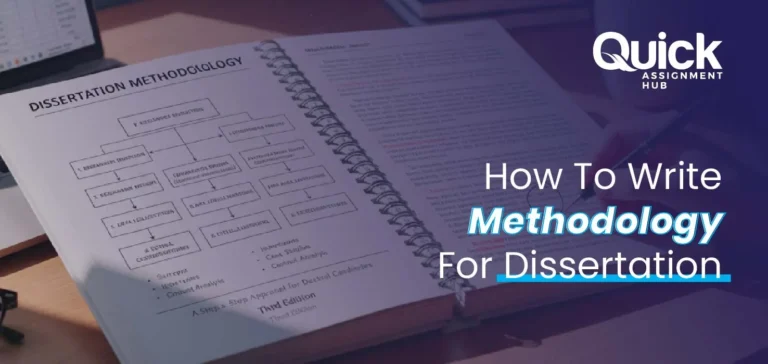
A strong methodology section explains how the research will be carried out. Students who understand how to write a dissertation proposal must explain not only what method they will use but also why that method is appropriate. The methodology section may include:
Research approach: qualitative, quantitative or mixed methods
Data collection method: interviews, surveys, case studies, documents or secondary data
Sampling strategy
Data analysis method
Ethical considerations
Limitations of the method
For example, if a student is studying consumer behaviour, a survey may be suitable. If the topic focuses on personal experiences, interviews may be more useful. The method should always connect directly with the research question.
A timeline shows that the project is realistic. Students learning how to prepare a dissertation proposal should include a simple plan showing how the work will be completed. A basic timeline may include:
Week 1–2: Finalise topic and research question
Week 3–4: Conduct literature review
Week 5: Finalise methodology
Week 6–7: Collect data or sources
Week 8–9: Analyse findings
Week 10: Draft discussion
Week 11: Revise and proofread
Week 12: Submit final work
This section helps supervisors see that the project can be completed within the available time.
Many students make avoidable mistakes while preparing a dissertation proposal. These mistakes can weaken the academic value of the proposal. Common mistakes include:
Choosing a topic that is too broad
Writing unclear research aims
Missing the research gap
Using weak or outdated sources
Describing methods without justification
Ignoring ethical issues
Writing in an informal tone
Not linking the literature review with the research question
Submitting without proofreading
Avoiding these errors can make the proposal clearer, stronger and easier for supervisors to assess.
The first step to finishing a strong dissertation is writing a clear proposal. Students at the University of Leeds and other UK universities must develop focused research topics, conduct effective literature reviews and explain their research methods in detail.
Students can organise their ideas, explain why their research matters and show that their study is feasible by learning how to write a dissertation proposal. A clear proposal also works as a roadmap for the full dissertation.
When students understand how to write a dissertation proposal, they are more likely to prepare a focused, realistic and academically sound research plan.







© Copyright Quick Assignment Hub All rights reserved.